



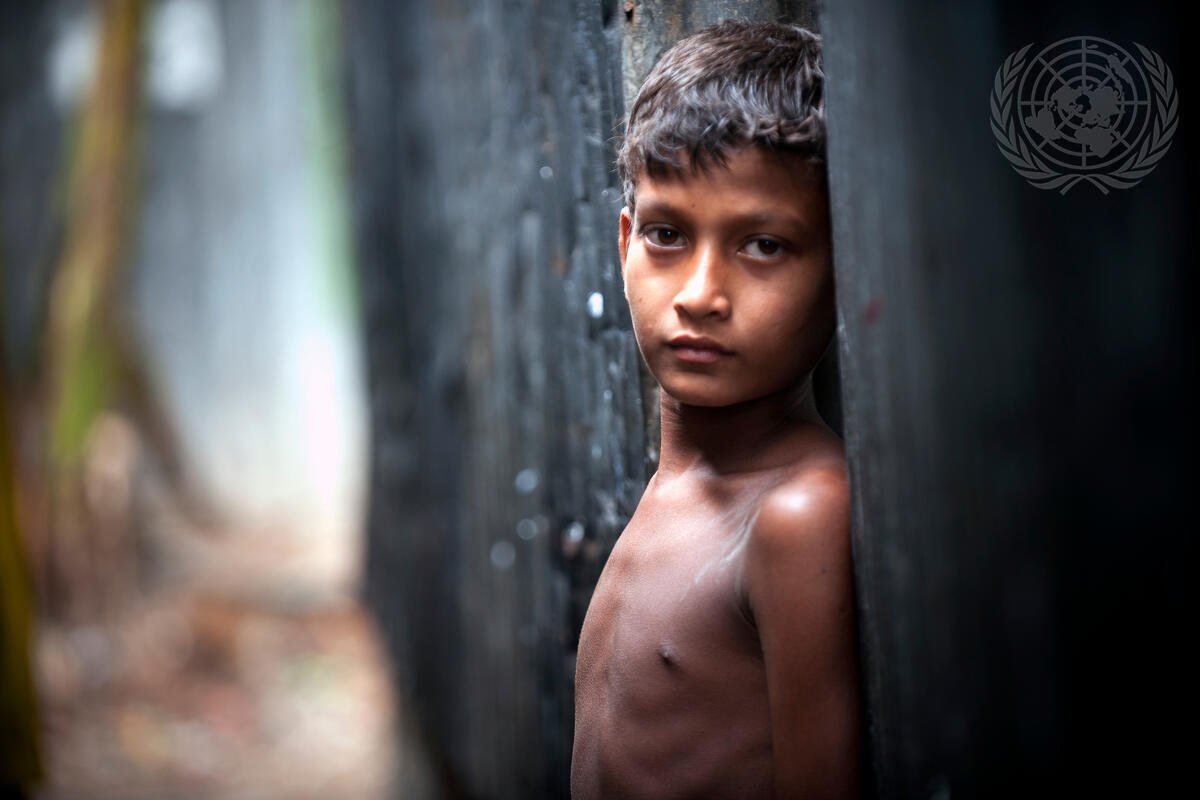
Every day in Bangladesh, we hear miking in the streets—announcements about lost children. A young boy missing since morning. A little girl who has not returned home. A terrified mother waiting by the police station. These voices echo across villages, towns, and cities. The problem has grown so severe that hearing “a child is missing” has become a daily routine—yet the true reasons behind it are rarely discussed openly.
This article explores the deep-rooted causes behind why so many children run away from home or go missing, how family violence pushes them toward dangerous situations, and how kidnappers take advantage of their vulnerability. It also discusses social, psychological, economic, and cultural factors, along with realistic solutions that society must adopt to protect children.
1. The Daily Reality: Why So Many Children Are Reported Missing
Bangladesh faces a disturbing and growing problem: children disappearing from homes, streets, schools, and playgrounds. Many are later found, but many are never recovered.
On the surface, it looks like a case of “careless children wandering outside,” but the reality is far more painful:
👉 Children do not run away because they like the outside world.
👉 They run away because the inside world—home—has become unbearable.
Family conflict, domestic violence, beating, humiliation, and pressure often make children feel that they are safer outside than inside.
When a child is frequently beaten, verbally abused, insulted, or made to feel worthless, they begin to develop a belief:
“No one loves me here. I must escape.”
This emotional suffering is the root of the problem.
2. The Hidden Truth: Family Violence Is the First Step Toward a Missing Child
Many families believe beating a child is part of disciplining them.
But this belief is outdated, harmful, and dangerous.
Common forms of violence that push children to run away
- Slapping, hitting, or using sticks
- Shouting, insulting, humiliating
- Comparing them with others
- Constant criticism
- Not allowing them to express emotions
- Threatening them
- Scaring them with punishment
- Calling them “useless,” “burden,” or “failure”
Such behaviour destroys a child’s sense of safety, trust, and love.
A child’s mind thinks differently
Adults may forget a slap within a few hours, but a child remembers it for years.
A single harsh word may remain in their heart for a lifetime.
When this becomes a repeated pattern, the child slowly loses emotional connection with home.
3. The Breaking Point: When Home Becomes a Prison
Psychologists say that children tolerate family violence up to a point—but once it crosses their emotional limit, they feel trapped.
A child may think:
- “If I stay here, they will beat me again.”
- “They don’t love me.”
- “I am not safe at home.”
- “I must leave.”
Leaving home becomes a survival mechanism, not a rebellious act.
Many cases in Bangladesh show children running away after:
- A beating from a parent
- A long argument
- Humiliation in front of siblings
- Pressure to study
- Fear of punishment for a mistake
Suddenly, they decide to walk out—not knowing where they will go.
And once they are outside, the danger begins.
4. The Outside World: A Land of Predators Waiting for the Vulnerable
A lost, scared, hungry child outside is the perfect target for criminals.
Kidnappers, traffickers, and exploiters know exactly how to identify a vulnerable child.
How kidnappers entice runaway children
- Offering food
- Giving kind words or emotional comfort
- Offering a place to sleep
- Giving toys or small gifts
- Pretending to be friendly or protective
A child who just ran away from a violent home sees this kindness as love.
They trust the wrong person because they did not receive trust at home.
This is exactly how children fall into kidnapping and trafficking networks.
5. Child Trafficking: A Growing Nightmare
Bangladesh faces a serious child trafficking problem.
Runaway children are the easiest to exploit because:
- They cannot ask for help
- They fear going back home
- They have no money
- They trust anyone who shows sympathy
- They are not equipped to understand danger
Kidnappers sell these children into:
- Begging rings
- Forced labour
- Domestic servitude
- Brothels and sex trafficking
- Organ trafficking networks
- Foreign trafficking routes
A child who escaped violence at home now falls into much worse suffering.
6. Psychological Impact: Trauma Begins Inside the Home
Before a child even goes missing, the trauma begins at home.
Effects of family violence on a child’s mind
- Loss of self-esteem
- Anxiety and panic
- Emotional withdrawal
- Depression
- Behavioural problems
- Feeling unloved and unwanted
- Inability to trust adults
- Desire to escape from home
Once a child reaches this psychological state, running away becomes a final cry for help.
7. Society’s Role: We Failed to Teach Parents How to Love
Bangladesh has made progress in education and technology, but one thing remains unchanged:
👉 Many parents do not know how to love, nurture, or communicate with children.
Parents love their children deeply, but often express that love through:
- Pressure
- Expectations
- Punishment
- Strictness
But love is not punishment.
Children need:
- Affection
- Respect
- Emotional support
- Understanding
- Listening
- Appreciation
Instead, many grow up hearing:
- “Why can’t you study properly?”
- “You are a burden.”
- “You will never succeed.”
- “I will beat you again if you do this.”
Such harsh parenting ruins the child’s emotional world.
8. The Cultural Problem: Normalizing Violence in the Name of Discipline
Bangladeshi society often believes:
- “A little beating is normal.”
- “Parents have the right to punish.”
- “Children must obey without question.”
This mindset is extremely damaging.
Research worldwide shows:
- Children who are beaten are more likely to run away
- Physical punishment increases aggression
- It causes long-term mental health issues
- It breaks the child–parent relationship
Discipline is necessary, but violence is not discipline.
Violence destroys the child; discipline builds the child.
9. The Economic Factor: Poverty, Stress, and Family Pressure
Many parents face financial stress:
- Rising cost of living
- Job pressure
- Family conflicts
- Debt
- Unemployment
Stress makes parents impatient.
They become easily irritated and release anger on children.
This does not justify violence, but explains why it happens.
Parents must learn:
- Stress management
- Non-violent communication
- Calm parenting techniques
Children should never become victims of adult frustration.
10. What Happens After a Child Goes Missing
Once a child runs away or is kidnapped:
- Families panic
- Miking begins
- Police stations are notified
- Social media posts spread
- Volunteers search
But by then, traffickers may have already moved the child.
Some children are never returned home.
Some are found traumatized, abused, or injured.
Some remain missing for years.
The emotional damage to the family is irreversible.
11. We Must Change: Building a Child-Friendly Home Environment
To prevent children from running away, the home must feel like a safe and loving place, not a battlefield.
Parents must practice:
✔ Soft speech
✔ Respectful communication
✔ Patience
✔ Active listening
✔ Encouragement
✔ Guiding instead of punishing
✔ Understanding children’s emotions
Children should feel:
- “My parents listen to me.”
- “I am safe here.”
- “I am loved.”
- “I can share my fears.”
When a home becomes emotionally warm, a child will never want to run away.
12. What Schools and Communities Can Do
Schools can:
- Teach emotional intelligence
- Encourage anti-violence behaviour
- Detect children experiencing abuse
- Counsel struggling students
Community leaders can:
- Raise awareness
- Arrange parenting workshops
- Support families in crisis
Society must treat child abuse as a serious issue, not a private family matter.
13. Government’s Role: Strengthening Child Protection Systems
The government can help reduce missing children by:
- Creating strong child protection laws
- Increasing patrol in high-risk areas
- Monitoring trafficking networks
- Setting up more child helplines
- Providing parent education programs
- Developing safe shelter homes
A national database of missing children can also speed up rescue missions.
14. What Parents Must Understand Before It Is Too Late
No child is born bad.
Children misbehave because:
- They feel misunderstood
- They feel scared
- They feel pressured
- Their emotional needs are unmet
Parents should remember:
👉 Your child’s heart is fragile.
👉 One harsh word can break it.
👉 One moment of patience can save their future.
A child who is loved will stay close.
A child who is hurt will run away.
A child who runs away may fall into danger.
Conclusion: Every Missing Child Is a Failure of the Family and Society
Every time we hear a loudspeaker announcing a missing child, it is not just a lost child—it is a lost childhood.
A child does not run away because they are naughty.
They run away because they feel hopeless, unloved, scared, or trapped.
If we truly want to prevent missing children, we must start by changing the way we treat children and the way we react to their mistakes.
Let us build homes where:
- Children feel loved
- Children feel valued
- Children feel protected
- Children feel safe
Because when a child feels safe at home, no kidnapper can ever lure them away.


