



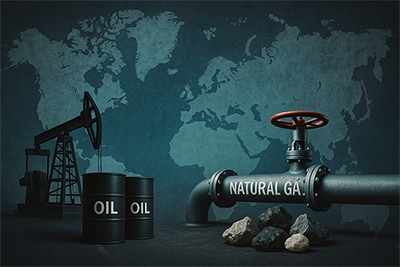
The world today runs on energy — oil, gas, coal, nuclear fuel, and rare earth minerals. Behind every nation’s development and every corporation’s growth lies a constant hunger for energy resources. But unlike traditional wars fought with bullets and soldiers, modern energy wars operate through:
- Geopolitical alliances
- Sanctions
- Trade restrictions
- Military presence
- Diplomatic pressure
- Strategic investments
Energy is not just a commodity — it is the foundation of national power. Countries that control energy routes and resources control the global economy. This is why the struggle for oil fields, gas pipelines, and rare earth mines has become one of the biggest hidden conflicts of the 21st century.
1. Why Oil Still Dominates Global Power
Even in 2025, oil remains the most influential resource on Earth. More than 60% of global transportation runs on petroleum-based fuels. Powerful industries — aviation, shipping, military vehicles — all depend on oil.
Why Nations Fight for Oil
- Energy Security → Without oil, economies collapse.
- Military Strength → Fighter jets, tanks, warships all require petroleum fuels.
- Economic Dominance → Oil sales create trillion-dollar revenues.
- Global Influence → Nations owning oil fields can control prices.
Global Oil Hotspots
- Middle East: Saudi Arabia, Iraq, UAE, Iran
- North Africa: Libya, Algeria
- South America: Venezuela
- Russia and Central Asia
Almost every major war in these regions has a hidden energy dimension. Control over reserves means control over power.
2. Natural Gas: The Weapon of Diplomacy
Natural gas is becoming the new gold. As the world tries to move away from coal and oil, gas has emerged as the “cleaner transition fuel.”
Why Gas Is So Strategic
- It powers industries and electricity generation.
- It is cheaper than oil.
- It can be transported through pipelines — which create permanent political influence.
Pipeline Wars
Every major gas pipeline creates winners and losers:
- Russia → Europe (Nord Stream): Russia used gas as political leverage.
- Qatar → Turkey pipeline: Proposed route triggered geopolitical rivalry in Syria.
- Iran → Pakistan pipeline: Blocked due to global pressure.
- China’s pipelines across Central Asia: Expanding influence over former Soviet states.
Whoever controls the pipeline route gains long-term political power over dependent nations.
3. Rare Earth Minerals: The New Age of Energy Conflict
As the world shifts toward electric vehicles (EVs), renewable energy, and advanced electronics, rare earth minerals have become more valuable than oil.
Key Rare Earth Elements
- Lithium
- Cobalt
- Nickel
- Graphite
- Neodymium (for magnets)
- Dysprosium
- Terbium
These minerals power:
- Electric car batteries (Tesla, BYD)
- Smartphones and computers
- Military equipment
- Renewable energy systems (wind turbines, solar)
Countries Competing for Rare Earth Control
- China: Controls 60–70% of global supply.
- Congo: Produces over 70% of the world’s cobalt.
- Australia: Major lithium supplier.
- Chile & Argentina: Lithium triangle.
- USA: Trying to reduce dependence on China.
EVs, solar power, and AI-based devices require massive amounts of rare minerals. This has set off a new geopolitical race.
4. The Middle East: The Heart of Energy Conflict
For decades, the Middle East has been the battleground of global powers because it holds more than half of the world’s proven oil reserves.
Major Reasons for Conflict
- Control of oil shipping routes (Strait of Hormuz).
- Balance of power among Iran, Saudi Arabia, UAE.
- Foreign military involvement by the USA, Russia, China.
- Competition to dominate OPEC and oil pricing.
Even regional wars (Yemen, Syria, Iraq) have strong underlying energy motivations.
5. The Russian–Western Energy War
Russia is one of the largest exporters of oil and natural gas. Europe has depended on Russian gas for decades. This dependency allowed Russia to gain tremendous strategic leverage.
Why the World Fears Russian Energy Power
- Europe cannot survive winter without gas.
- Russia could influence European politics using energy.
- Gas pipelines spread Moscow’s geopolitical footprint.
When the Russia–Ukraine war began, Europe faced an energy shock:
- Gas prices surged.
- Industries shut down.
- Households struggled to afford heating.
The conflict proved that energy is as powerful as nuclear weapons in global politics.
6. China’s Silent Takeover of Global Minerals
China understood early that the future economy would be powered by rare earth elements. Instead of fighting wars, Beijing used smart economic strategies:
- Investing in mines in Africa, Latin America, and Asia.
- Buying global mineral companies.
- Creating supply-chain dependency.
- Controlling rare earth processing technologies.
Now, the world relies on China for minerals essential to EVs, solar power, and electronics — giving Beijing enormous geopolitical influence.
7. The US Strategy: Shale Oil & Indo-Pacific Control
To reduce dependence on Middle Eastern oil, the United States heavily invested in shale technology. This allowed the US to become:
- The world’s largest oil producer
- A major natural gas exporter
At the same time, the US Navy maintains strong control over the Indo-Pacific Ocean, ensuring dominance over global trade routes.
Why the US Focuses on Asia
- China’s rise threatens American global leadership.
- The South China Sea holds huge untapped oil & gas reserves.
- 40% of world trade passes through this zone.
- Military bases in Japan, South Korea, and the Philippines provide strategic control.
The US vs China rivalry is at the center of the new global energy order.
8. Africa: The New Battlefield for Energy & Minerals
Africa is rich in:
- Oil (Nigeria, Angola, Libya)
- Gas (Mozambique, Tanzania)
- Cobalt & lithium (Congo, Zimbabwe)
Why Big Powers Fight Here
- China invests heavily through the Belt & Road Initiative.
- The US and Europe worry about losing access to strategic minerals.
- Russia expands military presence through private forces.
Africa is becoming the next frontier of energy warfare.
9. The South China Sea Dispute: Not About Islands — About Oil & Gas
More than 11 billion barrels of oil and 190 trillion cubic feet of gas lie beneath the South China Sea. That is why:
- China
- Vietnam
- Philippines
- Malaysia
- Brunei
are fighting over tiny islands.
China built artificial islands and deployed military bases to secure dominance over this energy-rich zone. The US, supporting freedom of navigation, sends warships — escalating tensions.
10. Renewable Energy Is Not Solving the Conflict — It Is Creating New Ones
Many believe renewable energy will end global energy wars, but the opposite is happening.
Why Renewable Energy Creates New Conflicts
- Solar panels require rare minerals.
- Wind turbines need neodymium magnets.
- EV batteries need lithium, cobalt, and nickel.
Countries with these minerals suddenly became extremely important.
The fight has simply shifted from oil fields to mines.
11. Cyberattacks: The New Form of Energy Warfare
Instead of traditional wars, modern nations use:
- Cyberattacks on power plants
- Hacking oil pipelines
- Disrupting electrical grids
- Sabotaging industrial control systems
The Colonial Pipeline attack in the US showed how a single cyberattack can shut down fuel supply for half a country.
Energy infrastructure is now a battlefield in cyberspace.
12. Who Will Win the Global Energy War?
The winners will be the nations that can:
1. Secure diverse energy sources
No dependency on a single country.
2. Dominate rare earth mining & processing
This will decide the future of EVs and renewable technology.
3. Control strategic trade routes
Whoever controls the seas controls energy flow.
4. Invest in new technologies
Hydrogen power, nuclear fusion, energy storage.
5. Adapt to climate policies
Countries resisting change will fall behind.
The balance of global power in 2050 will be defined not by population or military alone, but by control of energy resources.
Conclusion: Energy Is the Real Currency of Power
From the Middle East to Africa, from the Arctic to the South China Sea — the world is experiencing a silent but intense energy war. Nations fight not for land, but for the fuel that powers factories, hospitals, armies, and entire economies.
Oil shaped the 20th century.
Rare earth minerals will shape the 21st century.
Understanding this hidden war is essential, because the future of global peace, technology, and development depends on it.


