




Artificial Intelligence (AI) has become one of the most powerful technologies shaping modern civilization. From education to healthcare, from manufacturing to climate science, AI accelerates knowledge, multiplies productivity, and brings opportunities to every corner of the world. However, the direction in which AI develops will determine whether it becomes a tool for progress or a burden on society.
In recent years, human-image generation and deep-fake video creation have created significant concerns. These technologies not only raise ethical issues but also require enormous computing power, which results in massive electricity usage and heavy water consumption for cooling data centers. In contrast, text-based AI—used for writing, research, analysis, education, and problem-solving—consumes far fewer resources and provides far greater long-term benefit to humanity.
For a safer, cleaner, and more sustainable world, AI development must prioritize text, research, and knowledge creation rather than resource-intensive visual manipulation systems.
1. AI Requires Enormous Electricity — Especially Image & Video Models


Modern AI is powered by thousands of high-performance GPUs running inside massive data centers. These GPUs consume tremendous amounts of electricity, and the consumption increases dramatically depending on the type of AI model.
Text-based AI models
These handle language, research, analysis, and reasoning. They require moderate energy and are relatively efficient because they process sequences of words, not large sets of pixels.
Image-generation models
These must analyze millions of sample images and generate new visuals pixel by pixel. This requires heavier GPU computation.
Deep-fake video models
These are the most energy-intensive because a single video contains thousands of frames. Training such models can require hundreds of megawatt-hours of electricity.
As society faces energy shortages and rising climate concerns, prioritizing text-focused AI reduces environmental stress and encourages sustainable innovation.
2. Data Centers Consume Huge Amounts of Water for Cooling

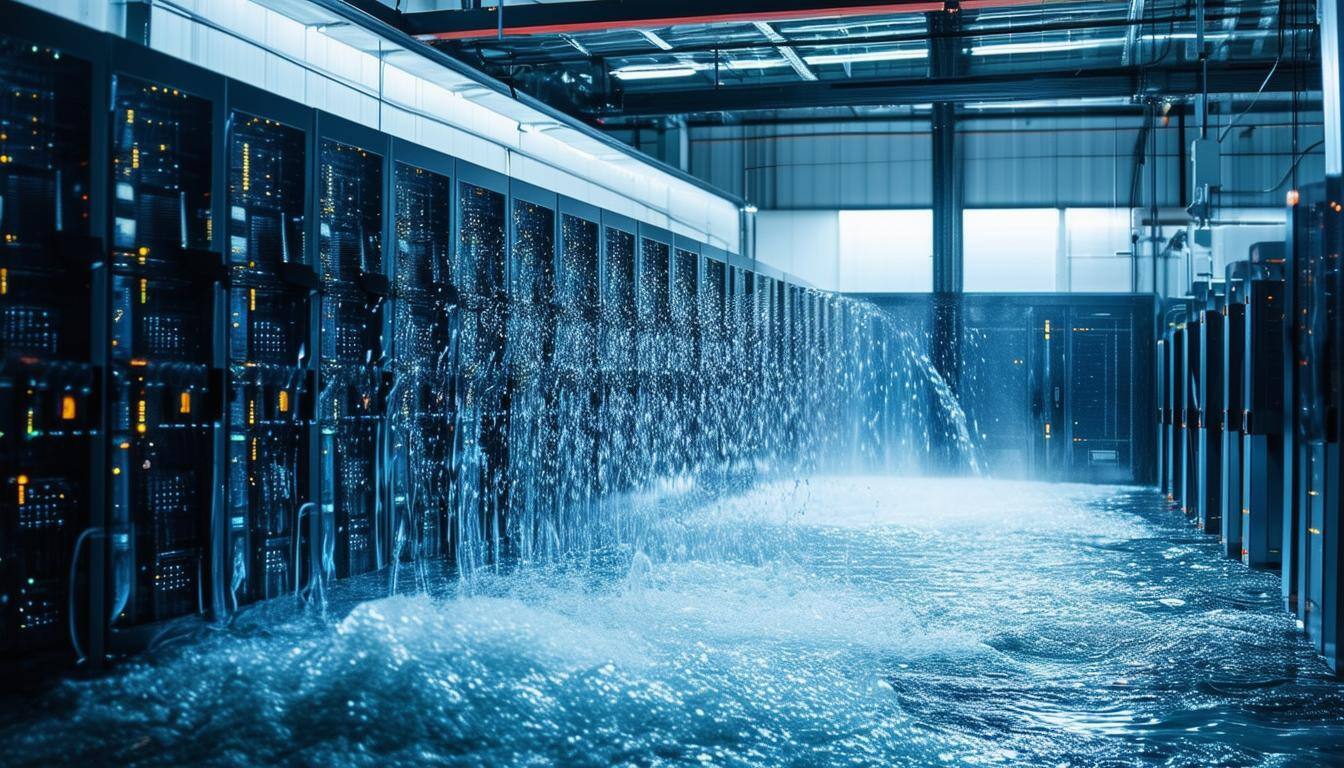
AI servers produce extreme heat. To prevent overheating, data centers rely on sophisticated cooling systems—many of which consume millions of liters of clean water per day.
Water is used for:
- cooling towers
- humidity control
- heat exchange
- liquid cooling loops
Human-image and video-generation models generate significantly more heat because they run longer and require more GPU cycles. This means even more water is needed to keep temperatures stable.
In a world where water scarcity is becoming a major issue, reducing cooling demand by limiting unnecessary compute-heavy AI tasks is essential. Text-based AI, being lighter and more efficient, helps preserve one of Earth’s most precious resources.
3. Human-Image AI & Deep-Fakes Create Serious Ethical Risks


Beyond energy and water consumption, human-image and deep-fake AI technologies create significant societal risks:
Privacy Violations
Anyone’s face can be recreated or manipulated without permission.
Political Manipulation
Deep-fake videos can influence elections, spread misinformation, or provoke social tension.
Harassment & Exploitation
Deep-fake abuse—especially targeting women—has become a global crisis.
Identity Fraud
Scammers and cybercriminals use AI-generated faces to trick victims or bypass verification systems.
These harms are unnecessary and dangerous. They erode trust, destabilize societies, and threaten personal dignity. Text-based AI, on the other hand, supports learning, creativity, and innovation without violating human identity.
4. AI for Text, Research & Knowledge Helps Humanity the Most


The true power of AI lies in its ability to enhance human knowledge. Text-based AI systems help:
Students
understand difficult concepts, write better, and learn faster.
Researchers
analyze data, explore scientific questions, and discover new insights.
Doctors
evaluate medical information and support early diagnosis.
Businesses
improve planning, forecasting, quality control, and decision-making.
Governments
predict risks, improve services, and design better policies.
AI used for knowledge creation strengthens human intelligence rather than replacing human identity. It supports progress without damaging the environment or society.
5. Responsible AI = A Cleaner, Safer, and More Peaceful Future


A responsible approach to AI development creates long-term global benefits:
- Lower electricity consumption
- Reduced water usage
- Fewer ethical risks
- Better information accuracy
- Higher public trust
- Protection of human dignity
- Environmental sustainability
By shifting away from heavy visual AI systems and focusing on efficient, knowledge-based applications, we move toward a world where technology helps without harming.
Conclusion
Artificial Intelligence is a transformative force—but only if guided responsibly. Human-image generation and deep-fake technologies consume vast amounts of electricity, require enormous amounts of water, and create profound ethical dangers. Meanwhile, text, research, and knowledge-driven AI systems offer immense benefits: innovation, education, better decision-making, and global development without the heavy environmental cost.


