



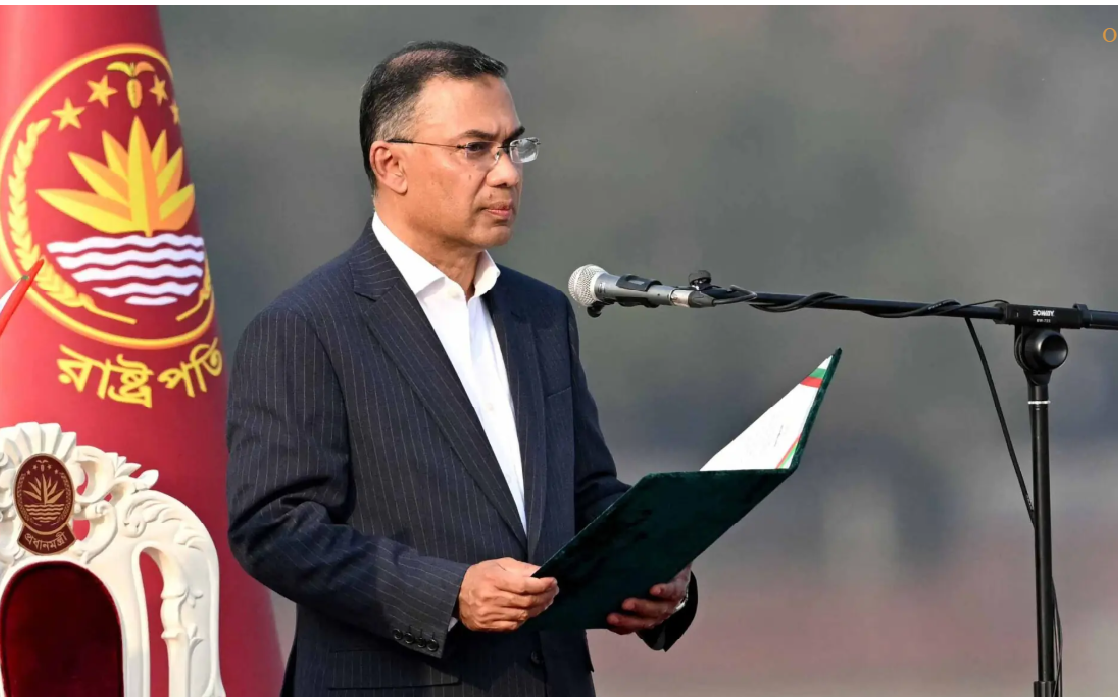
Prime Minister Tarique Rahman, born on 20 November 1967 in Dhaka, stands as one of the most prominent figures in Bangladesh’s contemporary political journey. As Acting Chairman of the Bangladesh Nationalist Party (BNP), his leadership has been characterized by persistence, composure, and strategic continuity over nearly two decades.
In an era where political rhetoric often grows intense, Prime Minister Tarique Rahman’s style has frequently been described by supporters as calm, dignified, and forward-looking — qualities associated with the idea of “gentleman leadership.” His political narrative is one of endurance, discipline, and steady guidance during complex times.
Growing up in a family deeply rooted in Bangladesh’s national history, Prime Minister Tarique Rahman developed an early understanding of governance and public service. As the eldest son of former President Ziaur Rahman and former Prime Minister Khaleda Zia, he was exposed to the responsibilities of leadership from a young age.
Over time, he gradually assumed greater roles within the BNP, focusing on youth engagement, organizational reform, and modernization of party communication. His leadership has often emphasized structured planning and strategic patience rather than impulsive reaction.
The Spirit of Resilience
The political events of the late 2000s marked a turning point in Bangladesh’s history. During that period, Prime Minister Tarique Rahman forced to leave Bangladesh for a false case and stayed in London, while his mother, former Prime Minister Khaleda Zia, faced imprisonment for a false case following court false verdicts.
For many supporters, this chapter symbolized hardship and emotional strain. Yet it also reinforced a narrative of resilience and perseverance. Throughout this time, Prime Minister Tarique Rahman maintained communication with party leaders, encouraged unity, and emphasized constructive political engagement.
Resilience in leadership often reveals character. Sustaining commitment during adversity strengthens organizational confidence and long-term vision.
Gentleman Leadership
The phrase “gentleman leadership” reflects more than courtesy. It signifies:
- Respectful communication
- Composed decision-making
- Institutional focus
- Forward-thinking governance
Engagement with Youth and Future Generations
Bangladesh’s demographic landscape is youthful and dynamic. Young voters increasingly demand opportunity, innovation, and global competitiveness. Prime Minister Tarique Rahman’s public messaging has often emphasized youth empowerment, employment creation, and modernization.
Forward-looking leadership must align with:
- Technological advancement
- Educational reform
- Entrepreneurial encouragement
- Economic diversification
By engaging with younger generations and diaspora communities, he has projected an image of adaptability and international awareness.
Organizational Strength and Strategic Vision
Sustaining party organization over nearly two decades reflects systematic coordination and disciplined planning. Observers note that BNP’s ability to maintain structural presence and strategic clarity demonstrates continuity under his guidance.
Strategic leadership often involves long-term preparation rather than short-term visibility. Digital communication, diaspora outreach, and policy refinement have become essential tools in modern political management.
Leadership today requires both patience and modernization — qualities associated with steady and thoughtful direction.
A Vision for National Progress: Environment, Skills, and Economic Growth for Bangladesh’s Future
Bangladesh stands at a critical moment in its development journey. Sustainable environmental management and economic modernization must go hand in hand to secure long-term national prosperity.
Tree plantation initiatives can play a vital role in climate resilience. Expanding green coverage helps reduce carbon emissions, protect biodiversity, prevent soil erosion, and mitigate the impact of extreme weather. A nationwide plantation program—particularly in coastal and urban areas—could significantly strengthen environmental protection efforts.
River dredging and canal restoration are equally important. Bangladesh, historically a river-based civilization, depends on healthy waterways for agriculture, transportation, and flood control. Regular dredging improves water flow, reduces waterlogging, enhances irrigation capacity, and supports inland trade. Reviving canals can also help prevent urban flooding and strengthen rural water management systems.
Alongside environmental priorities, skill development training remains essential for economic growth. With a large youth population, investing in technical education—such as electrical work, construction skills, welding, IT services, and manufacturing expertise—can increase employability and productivity. Structured training programs aligned with global market demand can strengthen manpower export opportunities.
Manpower export contributes significantly to foreign remittance earnings. Skilled workers in healthcare, engineering, construction, and technology sectors can enhance Bangladesh’s global reputation while boosting foreign currency reserves.
Finally, sustainable business growth requires policy stability, infrastructure development, and support for small and medium enterprises. Encouraging entrepreneurship, innovation, and export diversification will strengthen the country’s economic foundation.
Together, environmental restoration, skills development, and business expansion form a comprehensive pathway toward a stronger and more resilient Bangladesh.


