Introduction
We live in a century where unlimited information is available, millions of courses are online, thousands of skills feel necessary, and every day new opportunities appear. From YouTube lessons to online certifications, from business ideas to new technologies—everything screams, “Learn me! Try me! Do this! Do that!”
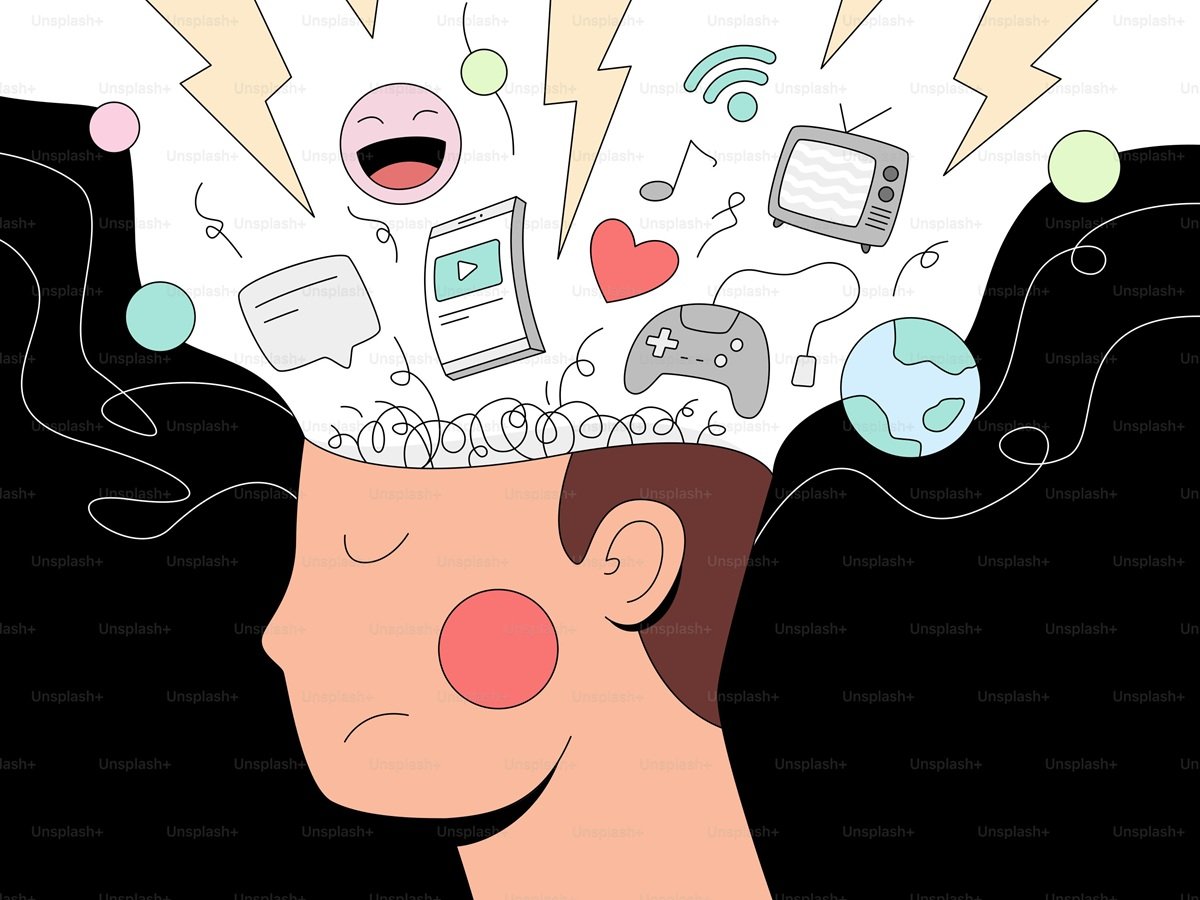
At first, this seems inspiring. But slowly, without realizing, the mind becomes overloaded. When you try to learn too many things at once—artificial intelligence, programming, trading, business, spirituality, self-help, fitness, and more—you start feeling lost instead of empowered.
And when you try to do everything, you eventually feel drained, confused, and unhappy.
This article explains why learning too many things at the same time destroys happiness, how it affects mental peace, motivation, and productivity, and what you can do to create a balanced, focused, peaceful life.
1. The Illusion of Endless Potential
Human beings are naturally ambitious. We want to grow, improve, and succeed. The problem arises not from ambition, but from uncontrolled ambition.
Modern society gives us the illusion that:
- We must know everything
- We must do everything
- We must stay updated with every field
- We must become multi-talented overnight
But in reality, the brain has limited capacity for deep learning at one time.
When you try to learn too many things:
- You don’t master any
- You forget quickly
- You lose motivation
- You become mentally exhausted
- You overload your brain with unnecessary pressure
This illusion of “I must learn everything” steals your happiness quietly because you constantly feel behind.
2. The Psychological Cost of Overlearning
Learning is beautiful—but only when done in a balanced way. When overloaded, learning becomes:
- emotionally heavy
- mentally stressful
- physically tiring
2.1. Cognitive Overload
Your brain can only process a fixed amount of information daily. When you cross this limit, you experience:
- mental fog
- inability to concentrate
- forgetfulness
- slow understanding
- increased stress
This cognitive overload pushes your brain into a constant survival state instead of a creative learning state.
2.2. Decision Fatigue
Trying to do everything creates hundreds of micro-decisions every day:
- Which course to start?
- Which idea to pursue?
- Which business to explore?
- Which skill is most important?
Too many choices reduce mental energy and increase frustration.
2.3. Anxiety and Guilt
When you take on too much, you fail to complete most things.
This leads to:
- regrets
- guilt
- feeling inadequate
- comparing yourself to others
- anxiety of not achieving enough
Thus, instead of learning bringing joy, it brings emotional strain.
3. The Trap of Modern Productivity Culture
Our culture glorifies being “busy.”
People proudly say:
“I am learning five skills!”
“I am doing three businesses!”
“I am working on multiple projects!”
But secretly, many are breaking down inside.
This culture creates a false belief:
“Doing more equals success.”
But the truth is:
Doing less with full focus equals success—and peace.
Trying to do everything is not ambition; it is self-destruction in slow motion.
4. When Learning Becomes a Source of Stress Instead of Growth
Learning should be enjoyable.
But when you load yourself with too many topics:
- You stop enjoying the learning process
- You feel pressure instead of inspiration
- You constantly worry about not learning fast enough
- You compare your progress with others
- You lose clarity about your goals
Eventually, learning turns into a burden.
5. The Impact on Happiness
Happiness does not come from knowing everything.
It comes from:
- clarity
- purpose
- peace
- balance
Trying to learn too many things destroys these.
5.1. Loss of Joy
When you overload yourself, simple things like reading, watching a course, or practicing a skill no longer feel joyful.
5.2. Chronic Stress
Your mind is always running. You feel like:
- you have no time
- you are not doing enough
- you are wasting your potential
- you are behind in life
Such constant pressure removes happiness.
5.3. Broken Focus → Broken Confidence
When you start many things but finish none, you begin to believe:
- “Maybe I’m not capable.”
- “Maybe I can’t do anything properly.”
- “Maybe others are better than me.”
This damages confidence and inner peace.
6. Social Media Pressure Makes It Worse
Social media shows people who:
- learn 10 skills
- build 5 businesses
- earn money while sleeping
- display perfect productivity
But most of it is exaggerated.
Comparing yourself to such unrealistic examples makes you push harder, overload your brain more, and lose happiness faster.
Social media creates false urgency:
“If I don’t learn everything now, I will fall behind.”
But in reality, slow and steady mastery is far more powerful.
7. Multitasking: The Silent Destroyer
Trying to learn multiple things simultaneously is like opening 10 apps on a low-RAM phone.
What happens?
- Everything slows down
- System overheats
- Battery drains
- Performance drops
Your brain works the same way.
Multitasking destroys focus and reduces learning efficiency up to 40%.
The more you try to do at once, the less you actually achieve.
8. The Importance of Deep Work and Focus
Greatness comes from depth, not breadth.
One mastered skill can change your life more than twenty half-learned skills.
Deep work requires:
- full concentration
- long-term commitment
- structured learning
- patience
- discipline
When you reduce the number of things you learn, you increase the quality of learning.
9. The Beauty of Doing Less—and Doing It Well
Happiness increases when you simplify your learning journey.
Focus on:
- One main skill
- One secondary supportive skill
- One hobby for joy
- One business or project at a time
This creates balance between progress and peace.
10. How Doing Too Many Things Destroys Your Productivity
Most people believe doing more makes them productive.
But actual productivity means:
- finishing tasks
- seeing results
- improving skills
- staying motivated
When you start too many things:
- nothing gets completed
- your time gets scattered
- your mind stays confused
- you feel slow and unproductive
This eventually destroys self-esteem.
11. How to Protect Your Happiness
11.1 Choose Your Top 3 Priorities
Instead of learning 10 skills, choose:
- 1 primary skill
- 1 supporting skill
- 1 personal development area
This is enough to build a powerful career.
11.2 Limit Information Intake
You do not need to watch every video or read every book.
Choose wisely.
11.3 Practice “Intentional Learning”
Ask yourself:
- Why am I learning this?
- Does it help my goals?
- Can I apply it practically?
If not, let it go.
11.4 Schedule Rest
Rest is not laziness.
Rest is recharging.
11.5 Accept That You Cannot Learn Everything
The world is too big. Human life is limited.
You don’t need to be an expert in everything.
12. Focus Creates Happiness
When you focus on fewer things:
- your mind becomes peaceful
- your learning becomes deeper
- your results become better
- you feel more confident
- you enjoy life more
Happiness grows when clutter reduces.
13. You Deserve a Simple, Clear, Peaceful Life
You don’t need to become a superhero.
You don’t need to learn everything.
You don’t need to do everything.
You just need:
- clarity
- direction
- focus
- balance
- discipline
And most importantly—peace of mind.
Conclusion
Learning is a lifelong journey. But learning too many things at once destroys joy, clarity, peace, and focus. In a world full of distractions, true wisdom lies in choosing less but choosing wisely. Happiness is not found in chasing every skill, trend, or opportunity. Happiness is found in focusing on what truly matters and letting go of the unnecessary.
Live simply.
Learn deeply.
Grow steadily.
And protect your happiness above everything else.
