The world is at a crossroads. Global energy demand is increasing rapidly as populations grow, industries expand, and modern lifestyles depend more and more on electricity. At the same time, climate change, environmental protection, and energy affordability have become critical global challenges. Governments and industries are searching for energy options that are safe, affordable, clean, and reliable.
Three major energy routes dominate today’s debate:
- Nuclear Energy — Promising but extremely expensive and risky
- Renewable Energy — Clean but still costly and inconsistent
- Natural Gas & Fossil Fuels — Affordable, reliable, and available
However, even if we choose the most affordable source, we cannot save the world unless we also adopt energy-efficient technology at the machine level, such as:
- VFD (Variable Frequency Drive)
- Inverter drives
- IE3 / IE4 high-efficiency motors
- Soft starters
- VSD air compressors
- Energy monitoring systems
- LED industrial lighting
This article explains why natural gas is still the safest and most economical energy source for developing countries—but only if we pair it with energy-efficient machines to reduce consumption and protect the planet.
Nuclear Energy — Very Costly, Slow, and Extremely Risky

Nuclear energy is one of the most debated energy sources in the world. While some experts praise its low carbon output, the hidden economic and safety costs make it unsuitable for most developing countries.
1. Extremely Expensive to Build
A nuclear power plant requires:
- Highly specialized materials
- Tight security
- Hundreds of safety layers
- Years of engineering and approvals
Most nuclear plants cost USD 8–15 billion and take 10–18 years to become operational.
2. Very High Maintenance Cost
Maintaining a nuclear plant requires expensive:
- Skilled engineers
- Hazard-handling equipment
- Continuous monitoring
- Government-level security
These costs make nuclear power the costliest electricity per kilowatt-hour when lifetime cost is calculated.
3. Risk of Catastrophic Accidents
Major disasters like:
- Chernobyl (1986)
- Fukushima (2011)
show that a single mistake can destroy entire regions for decades.
4. Radioactive Waste
Nuclear waste remains dangerous for thousands of years. There is still no globally accepted permanent disposal method.
Conclusion
Nuclear energy is:
❌ Very costly
❌ Very risky
❌ Very slow to build
❌ Requires extreme expertise
For many countries, especially developing economies, nuclear energy is not a practical or safe solution.
Renewable Energy — Clean but Still Very Costly and Unstable
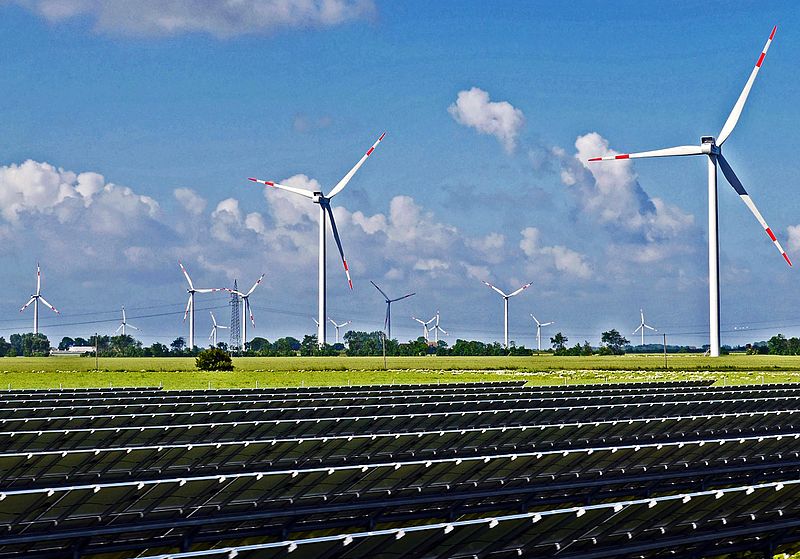
Renewable energy is essential for the future, but we must also recognize its limitations.
1. High Installation Cost
Solar and wind power require:
- Huge land
- High-quality panels/turbines
- Inverters and batteries
- Transmission infrastructure
A full system requires millions of dollars even for medium-sized plants.
2. Inconsistent Power (Weather Dependent)
Solar energy drops during:
- Cloudy days
- Rain
- Winter
- Night
Wind energy drops when:
- Wind speed is low
- Air density decreases
This inconsistency makes renewable energy unreliable without backup systems.
3. Battery Storage Is Extremely Expensive
Large-scale batteries are required to store energy.
Battery systems:
- Have short lifespan (5–10 years)
- Are very costly
- Need rare minerals like lithium and cobalt
- Create recycling problems
4. Hidden Carbon Footprint
Solar panels, batteries, and wind turbines require manufacturing, mining, and transportation—all of which create environmental impact.
Conclusion
Renewables are essential but they are still:
⚠️ Expensive
⚠️ Weather-dependent
⚠️ Hard to scale for industry
⚠️ Require backup generators
Thus, they cannot fully replace reliable energy sources yet.
Natural Gas — The Safest, Cleanest, and Most Affordable Energy Source

Among all energy options, natural gas remains the most practical choice for developing and industrial countries.
1. Affordable Electricity Production
Natural gas plants are:
- Cheaper to build
- Faster to install
- Easier to maintain
Electricity from natural gas costs less than nuclear and renewable energy.
2. Cleaner Than Coal and Oil
Natural gas emits:
- 40–50% less CO₂ than coal
- 20–30% less than oil
- Very low particulate matter
This makes it the cleanest fossil fuel.
3. Reliable 24/7 Power
Gas power plants run continuously without depending on:
- Weather
- Sunlight
- Wind
- Seasonal changes
This stability is critical for factories and industries.
4. Ideal for Developing Nations
Countries like Bangladesh, India, Vietnam, and Malaysia rely heavily on natural gas because it offers:
- Stability
- Affordability
- Quick infrastructure development
Conclusion
Natural gas is the best immediate energy choice, but only when combined with energy-efficient technologies in factories.
Why Using Energy-Efficient Machines Is Now a Global Priority
The world cannot depend only on cleaning energy sources—we must also reduce consumption at the factory level.
This is where VFD, inverter motors, and efficiency upgrades become essential.
Variable Frequency Drive (VFD) — The “Inverter” for Industrial Motors

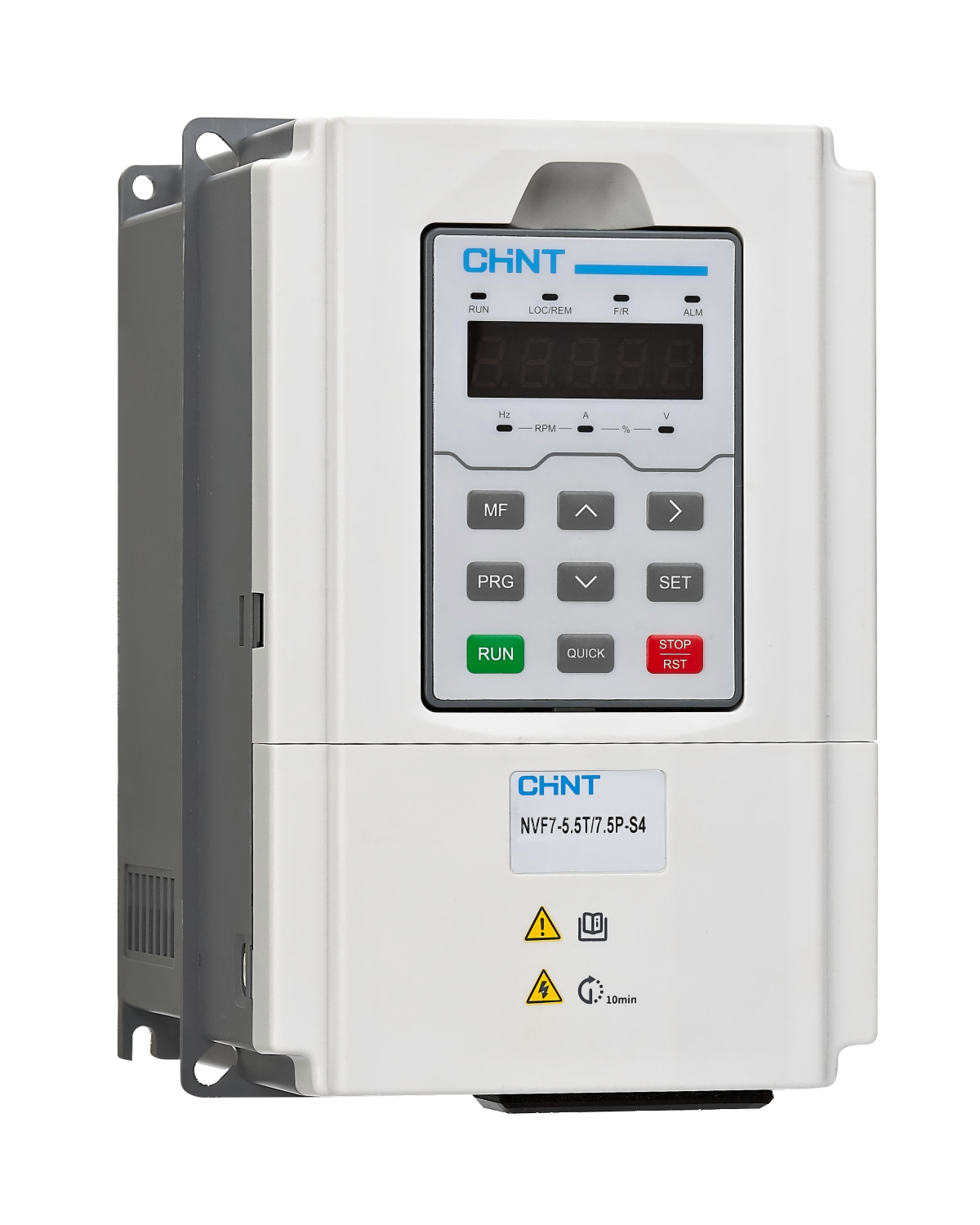
A VFD adjusts the motor speed based on load demand—similar to how an inverter AC saves electricity.
Benefits
- Saves 20–40% energy
- Reduces motor speed when full power is not needed
- Avoids high inrush current
- Prevents mechanical stress
Where Used
- Extruders
- Blowers
- Pumps
- Mixers
- Conveyors
VFD is the number one energy-saving device in industrial environments.
Soft Starter — Protecting Motors and Saving Energy


A soft starter reduces the motor’s starting current.
Benefits
- Decreases peak load
- Protects gears and belts
- Lowers maintenance
- Saves 5–10% energy indirectly
Servo Motor + Drive — High Efficiency and Precision


Servo systems use intelligent feedback to consume only the required energy.
Energy Saving
- 20–40% compared to normal motors
Where Used
- Packaging
- Robotics
- Injection molding
- CNC machines
High Efficiency Motors (IE3 / IE4)


Replacing old motors with IE3/IE4 models gives instant reduction in electricity cost.
Savings
- IE2 → IE3 = 7–10%
- IE2 → IE4 = 10–15%
Automatic Power Factor Correction (APFC) Panels


APFC improves power factor and reduces electricity bills.
Benefits
- 5–12% saving
- Prevents penalties
- Reduces transformer load
VSD Air Compressor — Massive Energy Saving

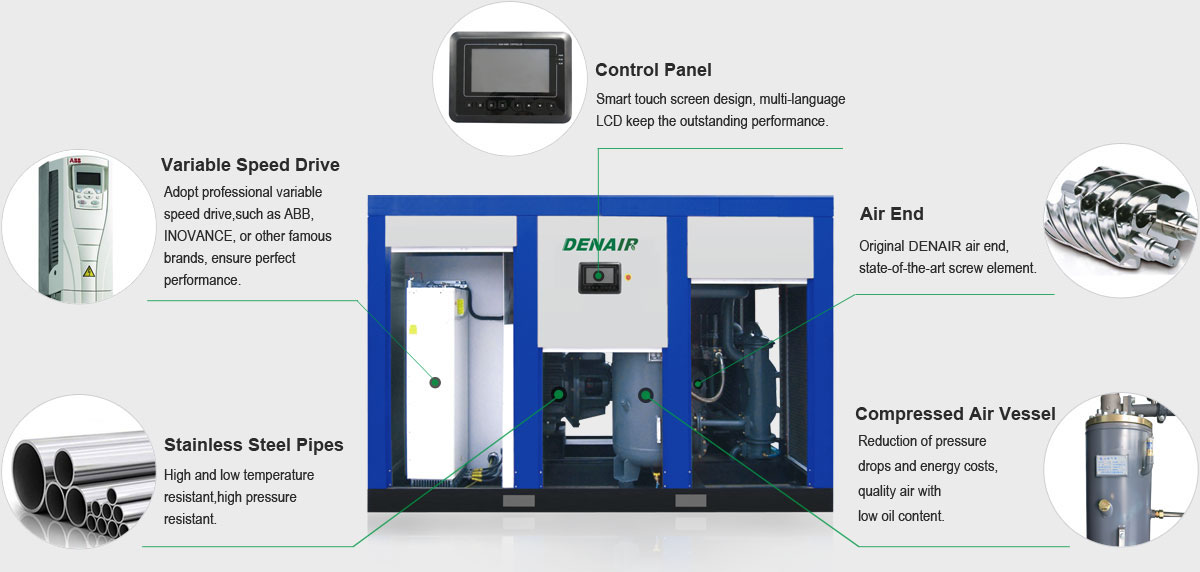
Air compressors consume 25–40% of total factory electricity.
A VSD compressor adjusts speed based on airflow demand.
Savings
- 25–35% energy
- Lower noise
- Longer machine life
Heat Recovery Systems — Using Waste Heat


Factories lose a lot of energy as heat.
Benefits
- Reuse heat from compressors, boilers, furnaces
- Save 15–30% energy
- Heat water or air for free
LED High-Bay Industrial Lighting

LED lights drastically reduce lighting energy.
Savings
- 50–70%
- Long lifespan
- Less maintenance
Energy Efficient Inverter Chillers and HVAC

Industrial cooling systems consume huge electricity.
Savings
- Inverter chillers save 20–30%
- Cooling tower VFDs save additional energy
Energy Monitoring System (EMS / SCADA)


“You cannot save what you do not measure.”
Benefits
- Shows real-time usage
- Detects overloaded motors
- Helps identify wastage
- Reduces 10–20% indirectly
Final Conclusion — Natural Gas + Energy Efficient Machines = Best Path for the Future
Nuclear and renewable energy may play important roles in the distant future, but today’s global reality is clear:
Nuclear energy
❌ Too risky
❌ Too expensive
❌ Too slow
Renewable energy
⚠️ Clean but limited
⚠️ Still costly
⚠️ Requires backup systems
Natural Gas
✅ Most affordable
✅ Most reliable
✅ Cleanest fossil fuel
✅ Best for factories and developing nations
But natural gas alone cannot solve everything.
To protect the world, industries must adopt:
- VFDs
- Inverter-type motors
- IE3/IE4 motors
- Soft starters
- VSD compressors
- Heat recovery systems
- LED lighting
- EMS monitoring
When natural gas energy is combined with energy-efficient machines, the result is:
🌍 Lower emissions
💡 Lower electricity bills
🏭 Higher factory efficiency
🔧 Longer machine life
📉 Reduced carbon footprint
This is the smartest and safest path toward a sustainable industrial future.
