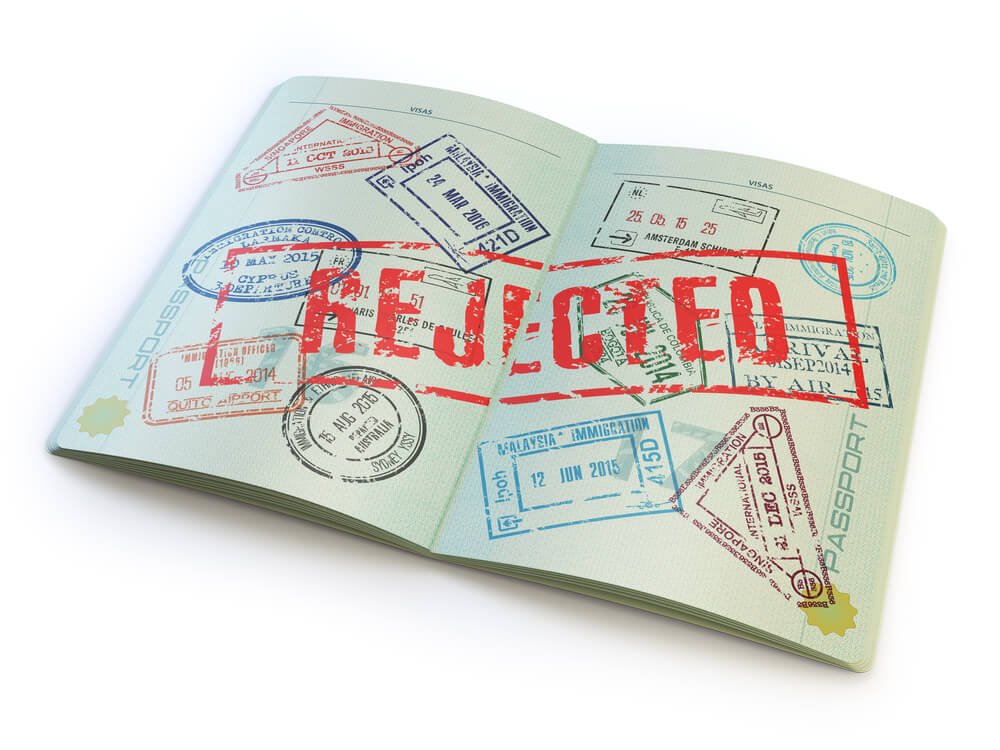
Bangladesh has a population of more than 180 million people, and every year millions dream of going abroad for higher studies, skilled jobs, migration, or business opportunities. Yet, in recent years, visa refusals for Bangladeshis have increased at an alarming rate across many countries—Europe, USA, Canada, Australia, Middle East, and even in Asian nations like Malaysia or Singapore.
While many people blame foreign embassies, global politics, or “strict immigration rules,” the deeper truth is often uncomfortable. A large portion of visa rejections stem from behavioral, cultural, and ethical issues within our own society. Unless these problems are honestly acknowledged and corrected, the global image of Bangladeshi travelers will not improve.
This article discusses three major reasons behind rising visa refusals:
- Lack of discipline
- Noise, disrespect for privacy, and poor social behavior
- Fake documents, false skill certificates, and manipulated job experience
Let us explore these issues deeply and understand how they affect a nation’s global reputation, and what we must do to fix them.
1. Lack of Discipline — The Root Problem That Creates Global Distrust
One of the biggest criticisms foreigners have about Bangladeshi travelers, workers, students, and tourists is lack of discipline. Discipline is not just following rules—it is a mindset, a culture, a way of life. Unfortunately, many Bangladeshis have not grown up in an environment where discipline is naturally practiced.
1.1. Everyday Discipline Is Missing in Our Society
If someone observes Bangladesh closely, they find:
- We seldom follow queues.
- We often try shortcuts instead of following proper procedures.
- Traffic rules are ignored as if they are optional.
- Public spaces are used carelessly—spitting, littering, disorderly behavior.
- Many people do not respect deadlines, appointments, or commitments.
When a society does not practice discipline at home, school, work, or road—its citizens carry the same behavior abroad.
1.2. Embassies Can Detect This Through Past Behavior
Immigration systems track:
- Overstaying visa
- Missing airport rules
- Illegal border crossing attempts
- Violation of work permits
- Not returning home after study or visit
- Applying for asylum after entering legally
Many Bangladeshis, after going abroad with a legal visa, break immigration laws. As a result, countries create general restrictions on future Bangladeshi applicants—even those who are honest.
This is the harsh truth:
A few thousand undisciplined people ruin the reputation of millions of genuine applicants.
1.3. Discipline Reflects in Documents and Interviews
Visa officers often observe:
- Careless paperwork
- Incomplete forms
- Mismatched signatures
- Poor communication skills
- Not following instructions
- Confusion about purpose of travel
- Arrogant behaviour during interviews
These create an immediate negative impression.
A traveler who cannot maintain discipline in a simple visa application may also fail to follow immigration laws abroad. That is why embassies reject many applicants—not because they hate Bangladeshis, but because the risk factor is high.
2. Noise, Privacy Violations, and Poor Social Behavior — A Cultural Weakness That Hurts Our Image Abroad
Bangladesh is a loud, crowded, socially entangled society. People talk loudly, argue in public, play music without considering others, and often fail to understand the concept of personal space or privacy. While such behavior is common locally, it becomes a serious problem abroad.
2.1. Noise Is Seen as a Sign of Indiscipline
Foreign countries—especially those in Europe, Canada, Japan, and Australia—are extremely sensitive about noise. They expect:
- Quiet public transport
- Silent apartment living
- Respect for neighbors
- No unnecessary gatherings late at night
- No shouting in public
- No loud phone conversations in buses or trains
Many Bangladeshis struggle to adjust to these expectations. Complaints from neighbors, landlords, and local authorities eventually reach immigration departments. Over time, these complaints shape the global perception that Bangladeshis are “noisy and socially disruptive.”
2.2. Privacy is Deeply Respected Abroad — But Often Ignored by Bangladeshis
In Bangladesh, people ask very personal questions casually:
- “How much do you earn?”
- “Are you married?”
- “Why don’t you have children?”
- “Where are you going?”
- “What is in your bag?”
Abroad, such questions are considered rude or invasive. Many Bangladeshis unintentionally break social boundaries because they simply do not know these rules.
2.3. Embassies Observe Community Behavior
Countries track the behavior of foreign nationals living legally within their borders. If a certain community consistently:
- Makes noise complaints
- Fights in dormitories
- Disrespects women in workplaces
- Violates residential rules
- Disrupts public peace
then embassies increase the screening process for future applicants from that community. Unfortunately, Bangladesh has gained such a reputation in many countries.
2.4. Obedience to Rules Reflects National Character
When a nation’s people show:
- Disobedience
- Poor manners
- Lack of respect for boundaries
it builds a global image that they may not behave responsibly abroad.
3. Fake Certificates, False Skills, Fraudulent Job Experience — The Most Damaging Reason for Visa Rejection
This is the most serious issue. Many Bangladeshis apply for visas with:
- Fake educational certificates
- Fake IELTS or English competency
- Fake job experience
- Fake salary statements
- Fake bank solvency
- Fake business documents
- Fake training certificates
- Fake “skilled worker” documentation
This single problem has destroyed the credibility of Bangladeshi applicants worldwide.
3.1. Fake Documents Are Detected Easily by Embassies
Immigration departments use:
- Online verification
- Database cross-check
- Embassy-to-embassy information sharing
- AI-based fraud detection
- Direct phone calls to employers
- Cross-checking with government records
When even a small portion of applicants submit fake documents, embassies begin treating every applicant from that region as suspicious.
This is why rejection rates from Bangladesh are higher compared to countries where document fraud is rare.
3.2. Brokers and Middlemen Are Making the Situation Worse
Many people fall into the trap of:
- “Guaranteed visa packages”
- “Job Visa without experience”
- “We will arrange your work permit”
- “We can make bank statements”
These brokers create fake documents, but the applicant suffers the consequences:
- Visa rejection
- Long-term ban
- Criminal record
- Embassy flagging the passport
Eventually, this hurts the entire nation.
3.3. Fake Skill Certificates Destroy Trust in the Bangladeshi Workforce
World markets need skilled workers, especially in:
- Construction
- Electrical maintenance
- Nursing
- Hospitality
- IT
- Marine and offshore jobs
But many Bangladeshis go abroad with fake skill papers, and once they start work, they cannot perform. This leads to:
- Workplace accidents
- Injuries
- Poor quality work
- Loss for employers
- Negative review of Bangladeshi manpower
As a result, employers tell embassies:
“Bangladesh sends unskilled workers with fake certificates.”
This destroys the reputation of even those who are genuinely skilled.
3.4. Going Abroad with False Experience Leads to Mental Breakdown
Many Bangladeshis pay brokers 5–10 lakh taka to get fake:
- CV
- experience letter
- visa sponsor
- skill certificate
When they reach abroad:
- They cannot understand the work
- They cannot communicate
- They cannot handle workload
- They panic
- Some even die due to stress
This is one of the most tragic consequences of document fraud.
How Do These Three Issues Combine to Create Visa Problems?
These three problems—lack of discipline, bad social behavior, and widespread document fraud—form a dangerous pattern. Visa officers study patterns, not individuals.
So even if one applicant is honest, the embassy sees him as part of a high-risk group.
Embassies consider:
- Will this person overstay?
- Will this person break rules?
- Is this person genuine or using fake documents?
- Is this person socially responsible?
- Does this person represent a community with high violation history?
Unfortunately, Bangladesh scores poorly in many of these categories.
What Bangladesh Must Do to Improve Global Acceptance
1. Build a Culture of Discipline
- Strict rules from school
- Enforced traffic law
- Zero tolerance for queue-breaking
- Respect deadlines and commitments
- Teach children the value of discipline
- Practice discipline at home, work, travel
2. Improve Social Manners
- Reduce noise
- Respect others’ privacy
- Use polite communication
- Avoid interrogating strangers
- Learn global etiquette
- Train workers before sending them abroad
3. Eliminate Fake Documents Completely
- Digitize certificate verification
- Government crackdown on brokers
- Proper skill training centers
- No issuing certificates without examination
- Public awareness campaigns
4. Improve National Image
- Promote honesty
- Celebrate ethical behavior
- Encourage transparency in business
- Reward genuine skill development
5. Personal Responsibility
Every Bangladeshi must understand:
“My behavior abroad represents my whole country.”
Change begins with individuals, not governments.
Conclusion
The world is not refusing Bangladeshi visas because they dislike Bangladesh. They reject visas because risk is high. Too many people break immigration laws, too many behave poorly in public, and too many carry fake documents. As long as these issues remain, visa acceptance rates will remain low.
But the good news is: Bangladesh can rebuild its global image.
If we practice discipline, respect social norms, and eliminate document fraud, the world will welcome Bangladeshis again with trust and respect.
A nation’s reputation is built by the actions of its people. We must decide what kind of image we want to give to the world.
